MUSIC
What is a jazz trio?
Three musicians, and the instrument list is what people are usually asking about. The classic combinations, the one that works at a private event, what a quartet adds, and how to pick between them.
- A jazz trio is three musicians: a rhythm section of bass and drums with one instrument that carries the melody and the chords, most often piano or guitar.
- The trio that works at a private event is guitar, upright bass and drums played with brushes, because brushes let a drum kit sit under a conversation instead of over it.
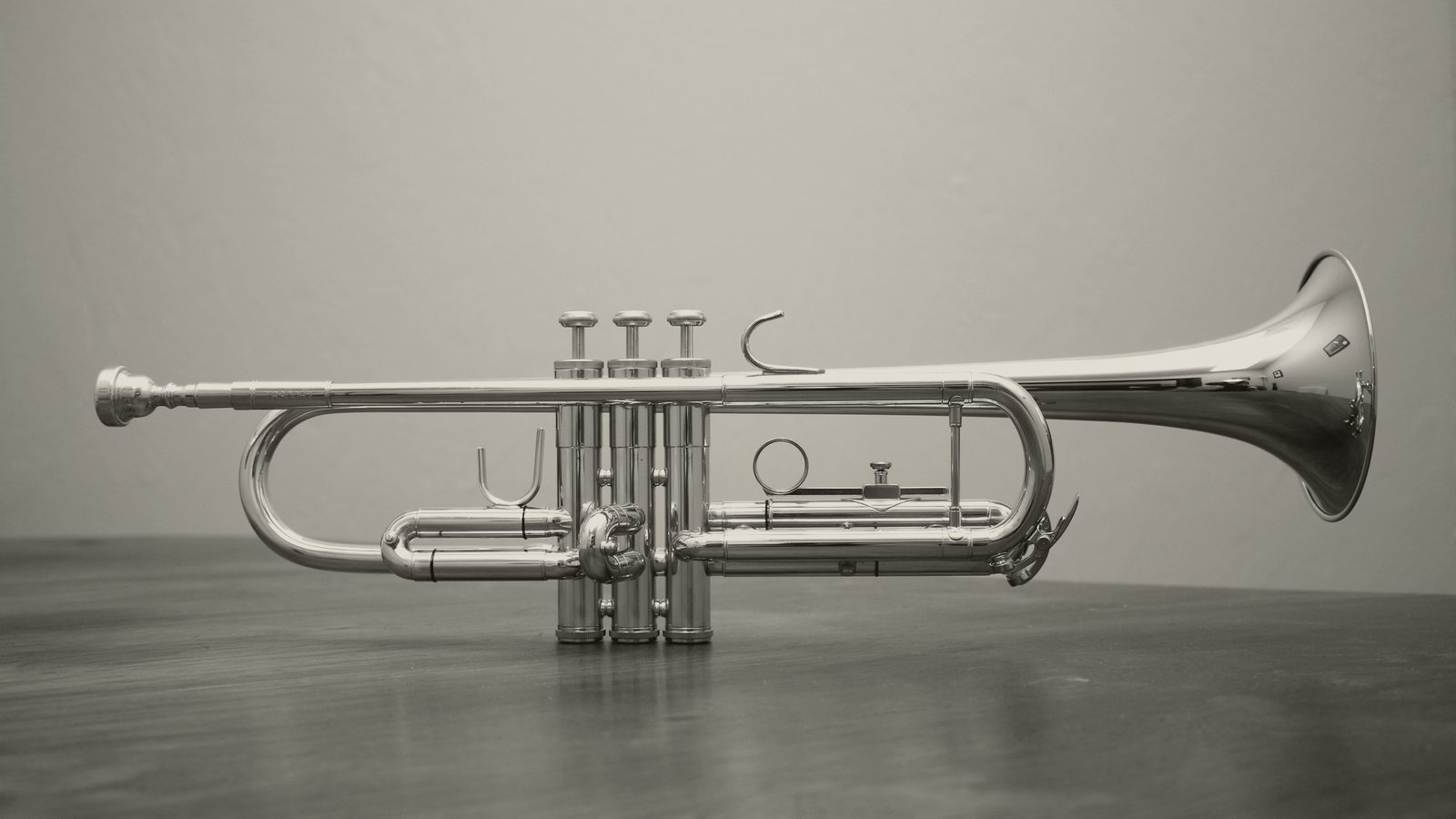
- A quartet is the same three with a horn or a voice added. That's the size for a floor, and the size a wedding or a gala usually books after dinner.
- Duo, trio or quartet is a question about the size of the crowd and whether anyone is going to dance, and the answer is usually smaller than people expect.
A jazz trio is three musicians playing jazz, and that’s the whole definition. What people are actually asking when they type the question is which three instruments, because a trio is a shape rather than a fixed lineup, and the shape changes what it sounds like and where it fits.
What instruments are in a jazz trio? #
Almost every trio is a rhythm section of bass and drums with one instrument on top that plays the melody and the chords at once. The classic combinations:
- Piano, bass and drums. The trio of the jazz records most people know, from Bill Evans to the Vince Guaraldi Christmas album. Piano carries the melody and the harmony, upright bass walks underneath, drums keep time.
- Guitar, bass and drums. The same job with a guitar in the piano seat. It’s the trio that travels, because a guitar amplifier fits in a car and a grand piano doesn’t, and it’s the trio on this roster.
- The organ trio. Hammond organ, guitar and drums, with the organist playing the bass line on the pedals. Soul-jazz, greasy and loud, and a club sound rather than a dinner sound.
- A trio with no drums. Piano or guitar, bass, and a horn or a second melody instrument. Quieter and more open, and the version to book when a venue can’t take a drum kit at all.
When people search for “jazz bands usually include,” the answer is the rhythm section plus however many melody instruments the size allows. A duo is one of them with the drums left out. A quartet adds one.
Which jazz trio works at a private event? #
Guitar, upright bass and drums played with brushes. The brushes are the part that matters. A drum kit played with sticks is a dance-floor instrument; the same kit played with brushes sits at 65 to 72 dBA at the nearest table, which is a level two guests who’ve just met can talk across without leaning in. That’s the difference between a trio that holds a dinner and a trio that ends it.
Upright bass rather than electric for the same reason. It carries a dinner without a subwoofer and it reads, from across the venue, as the sound people expect a jazz trio to make.
What it plays is the standards: the songbook from the thirties to the sixties that nobody has to be told about. Autumn Leaves, All of Me, The Girl from Ipanema, the ballads and the bossas. At a private event the point of the standards is that guests recognise them without naming them, and the evening reads as considered.
What does a quartet add, and when do you need it? #
A quartet is the trio plus one: a saxophone or a trumpet, or a singer. That fourth musician changes the job. A horn puts a lead voice on the melody, which is what a featured set at a gala wants. A vocalist turns the book into songs people sing along to under their breath, which is what a floor wants after dinner.
The question “jazz trio or quartet” usually answers itself once you know whether anyone is going to dance. Nobody dancing: the trio, for the whole evening. A first dance and an open floor after dinner: the trio through dinner and the quartet after it, on the same contract. A ballroom of two hundred: the quartet with a singer out front.
How much space and power does a jazz trio need? #
Twelve by eight feet, one dedicated 20-amp circuit, and about an hour to load in. That’s a corner of a private dining venue or a ballroom, and it’s the reason a trio fits venues a band can’t. A duo needs eight by six on the same circuit. The full footprints and power lists by size are on the technical page, in a form a venue can check line by line.
Duo, trio or quartet: which one to book #
- A duo for a cocktail hour, a client dinner for twenty to sixty, a dinner party at home. Upright bass and guitar, no drums, and two musicians can’t get loud by accident.
- A trio for a dinner past sixty, a longer evening, or a floor that wants a pulse without a full band. The size most often booked for a corporate dinner and a wedding reception’s dinner hour.
- A quartet for the hour after dinner when the floor opens, a featured set at a gala, or a ballroom crowd that needs a voice out front.
On this roster the duo and the trio are booked as a format, upright bass and guitar plus drums when the night wants them, on the jazz duo and trio page. Changes Jazz Trio is the named trio, guitar, fretless bass and drums under three published names, with a saxophone as the quartet. How a wedding day is sized moment by moment is on the jazz band for a wedding page, a corporate evening slot by slot on the corporate jazz band page, and what each size costs across this market, sourced, in what a jazz band costs in Denver.