CORPORATE
Gala entertainment ideas
Nine ways to run the music at a gala or an award night, placed against the program, with notes on the celebrity emcee and the silent disco.
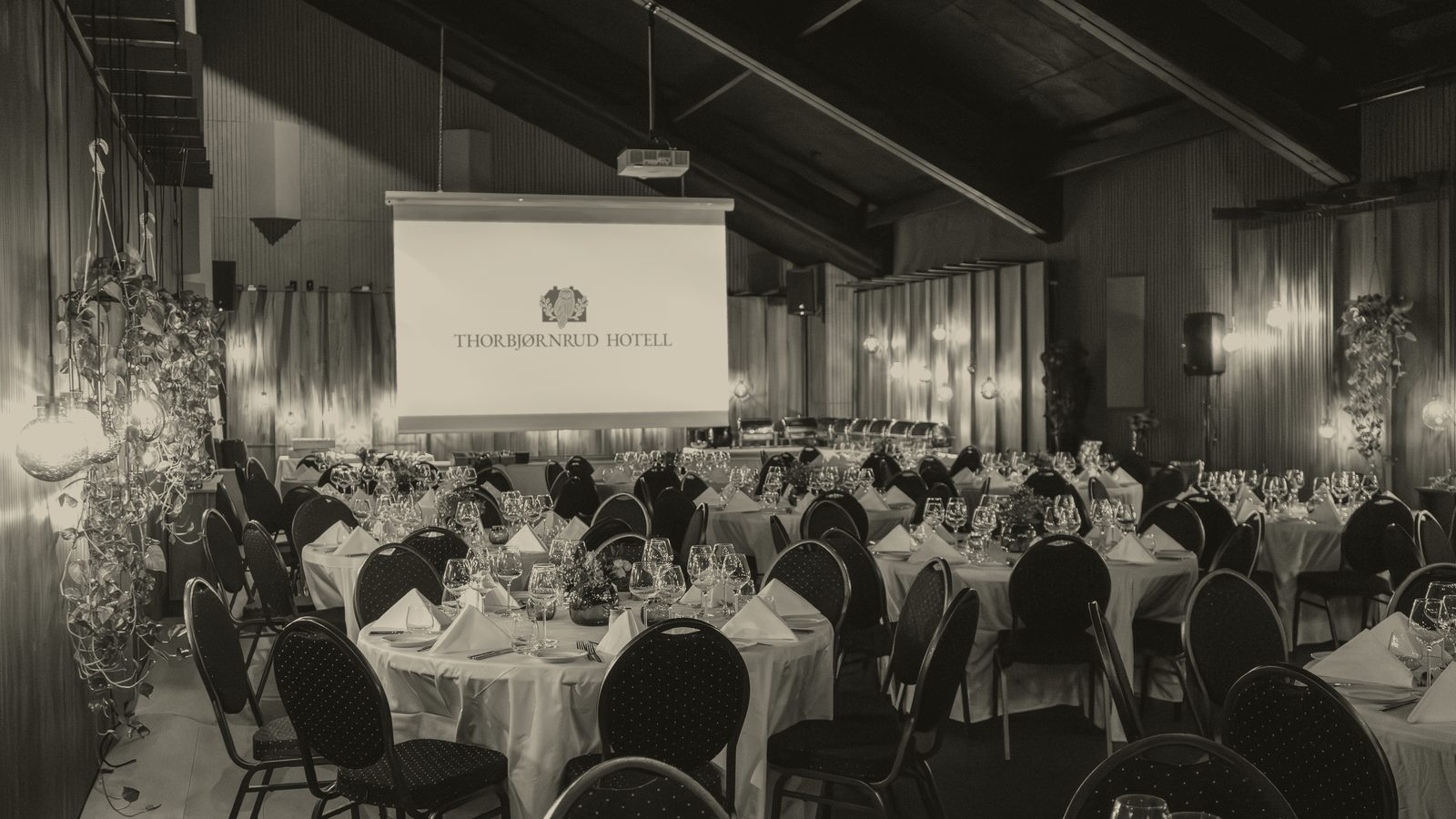
- A gala's entertainment is judged by how well it knows the program. Every idea here is placed against a cue: the doors, the remarks, dinner, the video, the auction, the walk-ups, the turn.
- The best-documented Denver gala we found layered four acts through one night. Most award nights book none. Both facts are opportunities for a committee.
- The after-party is where galas are spending now, and two of Denver's largest put it on headphones. A live act is the other way to fill that hour.
- Music that plays through the remarks or over the auctioneer costs a gala money. Silence on cue is part of what you're booking.
A gala committee books the venue and the honorees first, and the entertainment last, usually from a list that was written for a birthday. What a gala needs is different. The evening runs on a program, remarks, an auction, a paddle raise, a video, a walk to the stage, and the music has to know exactly where each of those is. The ideas below are placed against those cues, and the notes at the end cover the two ideas every gala list leads with.
The reception act at the doors #
Something is already playing when the first guest walks in, at a level the check-in table can hear itself over. A jazz duo on upright bass and guitar, a solo pianist, or a Spanish guitarist for an evening that should feel like an occasion in its first ten minutes. The reception act is the one guests remember as the tone of the night, because it’s what they heard while they decided how they felt about being there.
Dinner music the tables talk across #
A trio with drums played with brushes at 65 to 72 dBA at the nearest table, from the first course to the coffee. Tables that can talk are tables that bid, and a full band turned down never sits as low as a trio built for the level. The galas and award nights page sets out the dinner set beside every other cue in the program.
Music for the walk-ups #
Each honoree gets a short piece from the moment the name is read to the moment they reach the podium, cut on arrival rather than faded over their first sentence. It’s the simplest idea on this list and the one that makes an award night feel produced. The band takes the names and the order in advance and watches the emcee.
The auction, handled in silence #
Silence through the bidding unless the auctioneer wants a bed under it, a short piece as each lot closes if the program calls for it, and the auctioneer on a microphone of their own, never the band’s.
The floor after the last award #
When the program closes and the floor opens, the night gets loud on cue. A soul and R&B band on a ballroom floor, the yacht rock band for a crowd that wants to sing, or the DJ with a live musician over the set, through the same sound system as dinner, without a changeover the guests can see.
Live band karaoke as the after-party #
The gala after-party that people describe to the board members who left early. A real band plays the hits on its own and hands the mic to the honorees, the sponsors and the table that bid the most, with the words on a screen and a host on the floor. Nobody has to sing for it to work, and at a gala somebody always does. The live band karaoke page has the songbook, and the after-party page has the hour it fills.
The Colorado evening for the barn and the ranch gala #
For the fundraiser held on a ranch, in a barn or at a mountain venue, the Americana band plays the Colorado songbook through dinner and turns into a dance band with the drums in.
Solo piano for the small dinner #
The donor dinner for thirty, the patrons’ evening, the awards dinner in a private dining floor. One musician at the piano through arrival and dinner, standards the table talks across, silent for the remarks. The smallest idea here and the one that makes a small evening feel hosted.
The celebrity emcee and the silent disco #
A celebrity emcee or a keynote name sells tables, and a professional auctioneer raises money. Neither is entertainment in the sense a floor is, and a night that’s all program and no music is a night people leave at the coffee. The best-documented Denver gala we found booked a broadcast emcee, a professional auctioneer and four musical acts, and raised more than the ones that booked a name and nothing else.
The silent disco is the format two of Denver’s largest galas chose for the after-party. It works, it keeps the noise complaint away, and it puts every guest in their own headphones at the one hour of the night they were finally free to talk to each other. A live act in the same hour does the opposite, and a venue’s decibel cap is a number a band can be built under.
| The cue | The idea | The booking |
|---|---|---|
| The doors | The reception act | Duo, solo piano or Spanish guitar |
| Dinner | Music the tables talk across | Trio, brushes on the drums |
| The awards | Music for the walk-ups | The same musicians, on cue |
| The auction | Silence, handled | Nobody plays over the auctioneer |
| The turn | The floor | Soul and R&B, yacht rock or the DJ |
| The after-party | Live band karaoke | Four to six musicians and a host |
| The barn or ranch | The Colorado evening | Americana trio or quartet |
| The small dinner | Solo piano | One |